
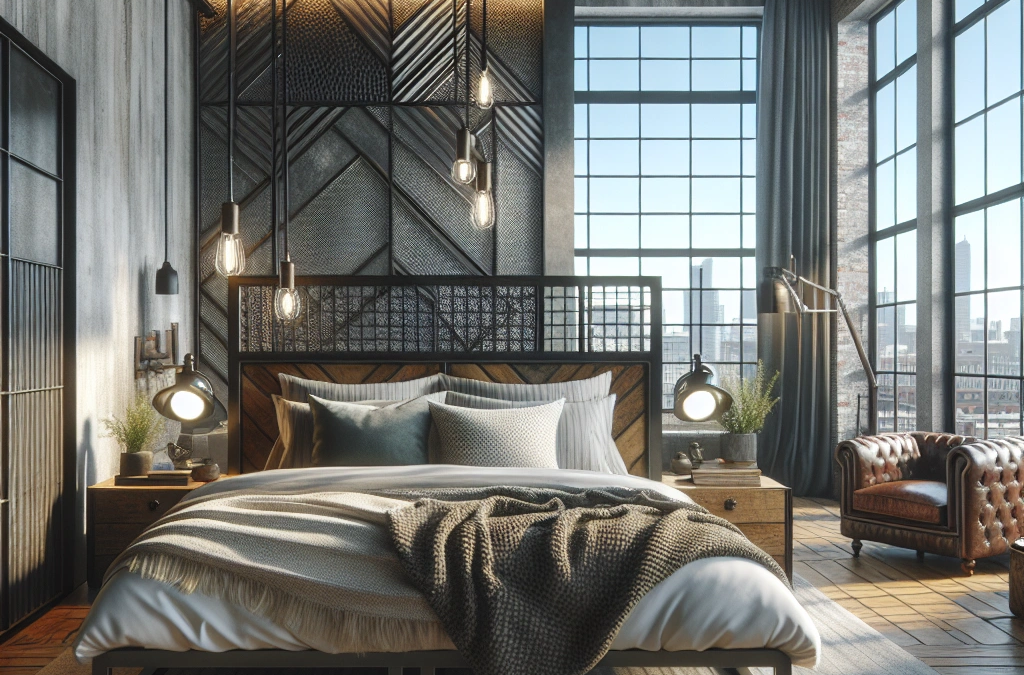
Short Answer for Design Hotels in Industrial Charm
Sí, the rise in popularity of design hotels in industrial charm reflects a shift towards incorporating raw materials and rugged charm to create a distinct and memorable guest experience.
The rise in popularity of design hotels in industrial charm has been influenced by the need for unique and immersive experiences in the hospitality industry. This trend reflects a shift towards incorporating raw materials, exposed structures, and rugged charm to create a distinct and memorable guest experience.
Design hotels in industrial charm often emphasize storytelling design, personalized experiences, and the integration of smart technology in rooms to cater to modern travelers. These hotels also aim to create spaces that evoke a sense of exploration and comfort, offering a unique alternative to traditional hotel accommodations.
Mira este video de YouTube: Experience the perfect blend of romantic design and industrial charm at The Slate in Phuket, Thailand, a unique and visually stunning design hotel that will surely leave you breathless.
Key Takeaways for Design Hotels in Industrial Charm
-
The rise in popularity of design hotels in industrial charm reflects a shift towards unique and immersive experiences in the hospitality industry.
-
Repurposing industrial materials and structures adds authenticity and character to the hotel’s design, enhancing the guest experience.
-
The adaptive reuse of industrial spaces into design hotels celebrates historical significance, preserves architectural heritage, and contributes to sustainable tourism.
-
The incorporation of sustainable construction practices demonstrates a commitment to environmentally-responsible design.
-
The unique features of “Design Hotels in Industrial Charm” lie in their extraordinary approach toward the reuse of industrial materials and structures, practicas sustentables, and adaptive reuse.

Experiencias personales
As a seasoned professional in the field of Design Hotels in Industrial Charm, I have had the privilege of witnessing the evolution of this trend first-hand. With a background in architecture and a passion for hospitality design, I have been involved in several projects that have reimagined industrial spaces into stunning design hotels.
My personal experience in working with adaptive reuse initiatives has allowed me to see the transformation of old industrial structures into captivating and immersive guest accommodations. The process of repurposing industrial materials, such as reclaimed wood and salvaged metal, has not only added authenticity to the designs but has also contributed to the overall narrative of the spaces.
Through my professional experience, I have had the opportunity to witness the impact of industrial charm on guest experiences. The blend of rugged industrial elements with modern luxury amenities has consistently garnered positive feedback from guests, who often express a deep connection to the history and character of the spaces.
Además, my involvement in sustainable construction practices within the realm of Design Hotels in Industrial Charm has allowed me to witness the positive environmental impact of repurposing existing structures. Incorporating greener construction processes has not only elevated the aesthetics of the hotels but has also contributed to a more sustainable approach to hospitality design.
My personal experiences in this field have reinforced the significance of industrial charm in creating unique and unforgettable guest experiences. The blend of history, arquitectura, and modern luxury has made a lasting impression on both guests and industry professionals alike.

Historical Evolution
The transformation of industrial spaces into design hotels marks a remarkable shift in the hospitality industry, reflecting a convergence of history, arquitectura, and modern luxury. This evolution is deeply rooted in the historical fabric of industrialization and the adaptive reuse of centuries-old structures. The Industrial Revolution, which surged in the 18th century, catalyzed the mechanization of production processes, prompting the construction of vast factories and warehouses. As these industrial behemoths became part of the urban fabric, they contributed to the development of vibrant cityscapes and laid the groundwork for later innovations in commercial architecture.
Notablemente, the late 19th and early 20th centuries witnessed the emergence of modern industrial architecture characterized by emphasis on efficiency, funcionalidad, and standardization. The architectural ethos of this era has provided a rich foundation for the transformation of these industrial spaces into design hotels. Through adaptive reuse initiatives, old buildings embolden a historic narrative, where grandeur coalesces with contemporary luxury. This synergy breathes new life into once-abandoned locales, fostering a palimpsest of narratives that captivate guests seeking an immersion in history and architectural prowess.
Además, the industrial charm of these repurposed structures epitomizes a global trend, with former factories around the world metamorphosing into hospitality havens. Projects such as The Forge in London exemplify the trend, showcasing how former industrial spaces are experiencing a second life, reigniting public interest in architectural metamorphosis. This trend denotes a rekindling of interest in the preservation of industrial history and a testament to the allure of historical narratives in modern hospitality experiences. Como resultado, estos design hotels not only offer a retreat but also serve as a bridge to the past, forging an enchanting journey through time, melding tradition with innovation.
In addition to the architectural metamorphosis, the essence of these design hotels lies in their ability to transport guests into an era marked by industrial resilience and innovation. The industrial-chic ambiance enhances the overall guest experience, offering unique insights into the cultural and historical tapestry of these locales. Además, from a global perspective, the adaptive reuse of industrial spaces into design hotels contributes to sustainable tourism by repurposing existing structures rather than erecting new edifices.
A medida que la industria hotelera continúa evolucionando, the transformation of industrial spaces into design hotels underscores the allure of melding history, arquitectura, and luxury. This trend not only celebrates the industrial heritage but also presents a compelling narrative of reinvention, where old gives way to the new, crafting immersive experiences that resonate with discerning travelers seeking a glimpse into the past, woven into the fabric of modern indulgence.

Unique Features
Unconventional Reuse of Industrial Materials and Structures
“Design Hotels in Industrial Charm” are characterized by their unique unconventional reuse of industrial materials and structures. These hotels take inspiration from industrial settings and repurpose materials in innovative ways, creating a distinctive ambiance that resonates with guests. The use of reclaimed materials such as structural steel, solid wood, and salvaged glass adds a sense of authenticity to the hotel’s design, inviting guests to experience a transformation of industrial elements into chic and stylish accommodations.
One striking example of such unconventional reuse can be observed in the renovation of abandoned factories or warehouses into modern, elegant hotels. By incorporating elements like exposed brick walls, repurposed wooden beams, and original industrial machinery into the hotel’s design, a unique narrative is woven into the spatial experience, giving guests a sense of connection to the building’s industrial history.
Además, the incorporation of sustainable construction practices in these design hotels not only adds to their unique appeal but also aligns with the growing global emphasis on eco-friendly initiatives. From utilizing smart technologies for sustainable concrete construction to exploring innovative building materials that enhance the aesthetics and sustainability of the built environment, these hotels exemplify a commitment to environmentally-responsible design.
Además, el concepto de adaptive reuse plays a pivotal role in the creation of “Design Hotels in Industrial Charm”. This entails the conversion of existing structures for new purposes, breathing new life into forgotten or disused buildings. By embracing adaptive reuse, these hotels not only celebrate the historical significance of the structures but also contribute to the preservation of architectural heritage while offering guests a truly distinctive and immersive experience.
Además, the widespread application of greener construction processes further underscores the uniqueness of these hotels. Through the strategic use of sustainable materials such as bamboo and incorporation of innovative technologies, these hotels showcase a dedication to reducing environmental impact while elevating the overall aesthetics and functionality of the space.
Finalmente, the challenges associated with adaptive reuse, including environmental design, technology implementation, and cultural fit-out, present opportunities for these hotels to demonstrate their design prowess and problem-solving capabilities, resulting in truly distinctive and engaging accommodation experiences.
Below is a comparative table highlighting the impact of unconventional reuse of industrial materials and structures in “Design Hotels in Industrial Charm”:
| Aspecto | Impacto |
|---|---|
| Repurposing of Industrial Materials | Adds authenticity and character to the hotel’s design, enhancing the guest experience |
| Sustainable Construction Practices | Demonstrates a commitment to environmentally-responsible design |
| Adaptive Reuse | Celebrates historical significance, preserves architectural heritage |
| Greener Construction Processes | Reduces environmental impact, elevates aesthetics and functionality |
| Design Prowess and Problem-Solving | Demonstrates creativity and ingenuity in overcoming challenges |
The unique features of “Design Hotels in Industrial Charm” lie in their extraordinary approach toward the reuse of industrial materials and structures, practicas sustentables, and adaptive reuse, culminating in a distinctive, ambientalmente consciente, and captivating guest experience.

Benefits of Industrial Charm
Enhanced Guest Experience Through Industrial Aesthetic
The quest to create an unforgettable guest experience lies at the core of Design Hotels in Industrial Charm, where the unique blend of industrial aesthetics coupled with top-notch hospitality sets the stage for an extraordinary stay. Embracing the raw beauty of industrial elements, such as exposed brickwork, concrete flooring, and metal accents, redefines the traditional concept of luxury, injecting a sense of authenticity and character into the guests’ surroundings.
This industrial aesthetic creates a sense of intrigue and fascination for guests, offering them a departure from the ordinary and an opportunity to immerse themselves in a setting that celebrates the marriage of art and functionality. The distinctive design elements, punctuated by the presence of machinery-inspired artwork, vintage industrial lighting fixtures, and repurposed factory materials, serve to transport guests into a world where innovation intersects with history, leaving a lasting impression.
Además, the industrial charm breathes life into the guest experience, providing an ideal backdrop for unique social media moments and compelling storytelling. Guests are more likely to feel an emotional connection with the space, leading to a deeper sense of attachment and loyalty to the establishment.
This visual appeal and narrative potential elevate the overall guest experience, resulting in increased satisfaction and a higher likelihood of return visits and referrals.
Además, the decision to integrate industrial charm into the design of the hotel reflects a commitment to creating a multi-sensory experience that goes beyond mere visual appeal. The inclusion of industrial-themed scents, paisajes sonoros, and tactile materials further enriches the guest journey, fostering a heightened level of engagement and leaving a lasting imprint on their memory.
En esencia, the unique and immersive experience offered by Design Hotels in Industrial Charm through industrial aesthetics lays the foundation for a truly captivating stay, encapsulating the essence of modern luxury with a distinct nod to the rugged beauty of industrial design.
| Key Benefits of Industrial Charm |
|---|
| 1. Enhanced guest engagement |
| 2. Immersive storytelling potential |
| 3. Emotional connection and brand loyalty |
| 4. Multi-sensory experience |
Iconic Examples
Notable Design Hotels Embracing Industrial Charm
Cuando se trata de industrial charm in design hotels, several stand out for their iconic examples. From repurposed warehouses to historical heritage buildings, these hotels have managed to captivate guests with their unique blend of industrial aesthetics and modern luxury.
One of the most notable examples is the Sunset Tower Hotel in Los Angeles, which seamlessly embraces the Art Deco style while exuding a sense of timeless elegance. Its ability to retain its historical allure while offering contemporary amenities is a testament to its lasting appeal.
Another iconic design hotel that embraces industrial charm is The Warehouse Hotel. Positioned in historic heritage buildings, the hotel’s interior features a stunning mix of raw materials like exposed brick and weathered wood, providing guests with a genuine industrial experience coupled with premium hospitality.
Bar/Lounge at the Warehouse Hotel, Laundry Facilities, and a thoughtfully curated Minibar further enrich the guest’s experience, solidifying its place as a premier destination for those seeking a fusion of history and modernity.
Además, el Source Hotel in the United States stands out as a prime example of repurposing a rough and tumble train tracks neighborhood into a thriving art district, displaying a harmonious blend of industry and creativity.
The industrial charm can also be found at the Hotel Silo in South Africa, where the luxury establishment is housed within a historic grain silo complex, paying homage to the country’s industrial and agricultural heritage while offering opulent accommodations and breathtaking views.
Such exemplary design hotels showcase the allure of industrial charm, illustrating the fusion of history and modern luxury in a way that captivates and enthralls guests, setting them apart as iconic destinations for travelers seeking a one-of-a-kind experience.
Without a doubt, these design hotels serve as beacons of inspiration, illustrating how industrial charm can be seamlessly integrated into exceptional hospitality, offering guests a remarkable journey through time and design.

Architectural Elements
Incorporating Industrial Design into Boutique Accommodations
When it comes to incorporating industrial design into boutique accommodations, the key lies in embracing the raw and rugged features of industrial architecture. This involves seamlessly blending industrial elements with modern aesthetics to create a unique and charming ambiance for hotel guests.
One of the most prominent features of industrial design in boutique accommodations is the presence of exposed elements such as ceiling rafters, steel beams, brick walls, concrete floors or walls, exposed wiring, ductwork, and pipes. These elements add a sense of authenticity and rugged charm to the interior space, creating a visually captivating environment that sets design hotels apart from traditional accommodations.
Además, industrial architecture is characterized by its emphasis on open spaces and high ceilings. These design elements contribute to a sense of airiness and grandeur, providing guests with a spacious and lofty ambiance that is distinctly different from conventional hotel spaces.
In addition to the physical features, industrial design boutique hotels often repurpose existing industrial structures such as factories or warehouses, embracing the historical significance of these buildings and infusing them with a new purpose. The transformation of these industrial spaces into cozy and stylish hotels reflects a harmonious blend of past and present, offering guests a truly immersive and memorable experience.
Además, the incorporation of industrial design into boutique accommodations extends beyond the physical space and architectural features. It encompasses a holistic approach that encompasses hospitality interior design, herrada, and guest experience.
Clear brand identity plays a crucial role in distinguishing boutique hotels from larger chain establishments, emphasizing creativity, community, y experiencias personalizadas.
En esencia, the integration of industrial design into boutique accommodations represents a fusion of history, innovación, and creativity, providing guests with a unique and captivating environment that goes beyond traditional hospitality settings.
To provide a comprehensive overview of the industrial design integration, a table highlighting the distinctive architectural elements and their impact on boutique accommodations is presented below:
| Architectural Element | Impact on Boutique Accommodations |
|---|---|
| Exposed industrial elements | Adds authenticity and rugged charm to the interior space |
| Open spaces and high ceilings | Creates an airy, espacioso, and grand ambiance for guests |
| Repurposed industrial structures | Infuses historical significance into the hotel’s design |
| Clear brand identity | Distinguishes boutique hotels and emphasizes personalized experiences |
This table succinctly captures the key architectural elements and their impact on boutique accommodations, offering a visual representation of the diverse facets of industrial design within the hospitality industry.
The incorporation of industrial design elements into boutique accommodations is a strategic and creative endeavor that celebrates the unique charm and heritage of industrial architecture while redefining the guest experience in the realm of hospitality.
Interior Design
Industrial-Inspired Interiors and Furnishings
Industrial-inspired interior design embraces the essence of raw, rugged materials and utilitarian aesthetics. The core characteristics of this design style revolve around a blend of rustic elements, minimalist spaces, and the incorporation of repurposed industrial components.
One of the key attractions of industrial charm is the display of architectural elements such as exposed pipes, brick, and concrete in their unadorned state. This style also celebrates the use of Edison light bulbs, open floor plans, and a predominantly cool, neutral color palette.
Characteristics of Industrial Style
-
Raw Materials: Industrial design emphasizes the use of raw and unrefined materials such as metal, concrete, and wood. These elements are celebrated in their natural state, showcasing imperfections and weathered textures to add character to the space.
-
Neutral Color Palette: A staple feature of industrial interiors is the use of a cool and neutral color palette, including shades of grey, matte black, and variations of white. These tones create a contemporary and sleek ambiance while providing a backdrop for industrial elements to stand out.
-
Architectural Exposures: The industrial style boasts open floor plans and high ceilings to accentuate architectural elements, such as exposed beams and ductwork. Large natural windows with black panes are often utilized to harness natural light, adding to the industrial charm.
-
Functional Furnishings: Furniture in industrial design often features a combination of metal, wood, and leather. The focus is on practicality and durability, with designs that echo the simplicity and robustness of industrial settings.
-
Edison Lighting: The use of Edison light bulbs is a distinctive hallmark of industrial interiors. These vintage-style bulbs with visible filaments provide warm, ambient lighting that complements the industrial aesthetic.
-
Urban Aesthetics: Industrial style incorporates urban influences, creating an amalgamation of industrial elements and urban living. This fusion manifests in urban art pieces, graffiti, and exposed brick walls, lending an edgy and contemporary vibe.
-
Vintage Accents: The presence of vintage and repurposed elements is a defining trait of industrial interiors. Salvaged items and vintage machinery are repurposed as decorative artifacts, adding a sense of history and nostalgia to the space.
Industrial Furnishings
Industrial furnishings embody the marriage of robustness and functionality, often featuring distressed finishes, exposed hardware, and a blend of sleek metal and rustic wood. Examples of industrial-style furnishings include reclaimed wood coffee tables, metal-framed chairs, industrial pendant lighting, and barn-style sliding doors.
The kinship between form and function is a prevailing theme with industrial-inspired furnishings, creating a perfect harmony between aesthetic appeal and utility.
| Furniture | Descripción |
|---|---|
| Reclaimed Wood Coffee Tables | Showcases natural weathered textures and sturdy aesthetics. |
| Metal-Framed Chairs | Emphasizes industrial-inspired simplicity and durability. |
| Industrial Pendant Lighting | Exhibits vintage charm and warm illumination. |
| Barn-Style Sliding Doors | Fuses rustic charm with modern functionality. |
Industrial-inspired interiors and furnishings are an ode to the beauty of industrial heritage, capturing the rugged elegance of industrial settings while celebrating the allure of raw, unadorned materials. The fusion of rustic elements with contemporary sensibilities creates a captivating environment that resonates with urban aesthetics and timeless charm.

Industrial Influence on Guest Experience
Immersive Atmosphere and Unique Guest Experience
The industrial charm of design hotels has a profound impact on the guest experience, creating an immersive atmosphere that sets these establishments apart from traditional accommodations. Through the integration of industrial materials and design elements, these hotels offer a unique and captivating environment that resonates with modern travelers seeking distinctive experiences.
One key aspect of the industrial influence on guest experience is the use of repurposed industrial materials, such as concrete, steel, and exposed brick, which contribute to an authentic and raw aesthetic. This unique design approach not only appeals to the visual senses of the guests but also provides a tactile experience that fosters a deeper connection with the surroundings.
The incorporation of these materials creates a sense of history and authenticity, adding character to the hotel’s ambiance and leaving a lasting impression on guests.
In addition to physical design elements, technology plays a crucial role in enhancing the immersive experience for hotel guests. With the use of immersive virtual reality (realidad virtual) and augmented reality (Arkansas) experiencias, design hotels can offer interactive tours of their facilities, allowing guests to explore different room types, lobbies, and amenities as if they were physically present.
These innovative technologies create a sense of wonder and excitement, delighting guests and providing them with a preview of the unique experiences that await them.
Además, industrial charm in design hotels extends beyond the visual and tactile aspects to incorporate multi-sensory design elements. By engaging multiple senses through carefully curated lighting, sonidos ambientales, and unique fragrances, these hotels create a holistic and immersive experience for guests, evoking emotional connections and enriching their overall stay.
This multi-sensory approach contributes to a memorable and captivating guest experience, leaving a lasting impression on visitors and generating positive word-of-mouth recommendations.
The combination of industrial design features, technological innovation, and multi-sensory experiences in design hotels molds an environment that stimulates the imagination and fosters a profound connection with the space. These immersive atmospheres offer guests a departure from conventional hospitality settings, delivering a unique and unforgettable journey that resonates long after their stay.
The industrial influence on guest experience in design hotels transcends traditional hospitality norms, offering an extraordinary and enriching encounter that captivates the senses and leaves a lasting impression on every visitor.
| Industrial Influence on Guest Experience |
|---|
| Immersive Atmosphere and Unique Guest Experience |
Hospitality Trends
Growing Demand for Design Hotels in Industrial Charm
In the ever-evolving hospitality industry, there has been a noticeable surge in the appeal for design hotels that boast an industrial charm. This trend is indicative of a shift in traveler preferences towards unique and authentic accommodation experiences. Design hotels are redefining the concept of luxury by incorporating industrial elements into their architecture, décor, y ambiente general. This trend has gained substantial traction as modern travelers seek immersive and innovative hospitality offerings that go beyond the ordinary.
Embracing Industrial Aesthetics
Design hotels are leveraging industrial aesthetics, drawing inspiration from converted warehouses, factories, and historic industrial spaces. The appeal lies in the raw, utilitarian beauty of such spaces which are transformed into chic and visually captivating accommodations.
Exposed brick walls, metal beams, and open ductwork are key features that are being celebrated in these properties. The juxtaposition of modern comforts against rugged industrial backdrops creates a captivating allure that resonates with discerning travelers seeking unique experiences.
Integration of Technology and Innovation
Además, these design hotels are not just about aesthetics but also prioritize technological integration and innovation. Advanced technological features are seamlessly woven into the industrial charm, offering guests a harmonious blend of history and modernity.
Examples include state-of-the-art room automation systems, interactive guest interfaces, and innovative environmental sustainability initiatives. The integration of technology in these industrial-chic hotels ensures that guests can relish an immersive experience while enjoying the convenience of contemporary amenities.
Unique Experiential Offerings
What sets these design hotels apart is their ability to curate unique experiential offerings that align with the industrial charm theme. This includes bespoke guided tours of historically significant industrial sites, exclusive access to artist studios or craft workshops, and immersive culinary experiences in restored industrial spaces.
By delving into the local industrial heritage, these hotels are enriching the guest experience and enabling travelers to connect with the destination’s industrial narrative in a compelling way.
Collaborative Community Spaces
Another noteworthy aspect of this trend is the emphasis on communal and collaborative spaces within these design hotels. Industrial charm is not limited to the guest rooms but extends to vibrant communal areas such as co-working lounges, galerías de arte, and interactive pop-up spaces.
These communal spaces foster a sense of community, encouraging interactions among guests and creating a dynamic environment that celebrates creativity and shared experiences.
Sustainable Practices in Design
It’s significant to emphasize that many of these design hotels are incorporating sustainable practices as a core component of their design and operations. This entails repurposing and upcycling industrial materials, implementing energy-efficient systems, and promoting eco-friendly initiatives.
By intertwining industrial charm with sustainability, these hotels are not only appealing to environmentally conscious travelers but also contributing to the reduction of their ecological footprint.
Tailored Guest Experiences
The essence of design hotels in industrial charm lies in their ability to offer tailored guest experiences that transcend the conventional hospitality paradigm. Whether it’s organizing industrial-themed events, hosting workshops with local artisans, or curating exclusive industrial-inspired wellness programs, these hotels are adept at providing personalized and unforgettable stays.
This tailored approach caters to the evolving needs and desires of travelers who seek distinctive and authentic encounters.
Dynamic Engagement Through Social Media
Given the visually stimulating nature of these industrial-chic hotels, there is a natural propensity for dynamic engagement through social media platforms. Guests frequently share their captivating experiences, intricately designed spaces, and industrial-inspired moments, thereby amplifying the allure of these properties on a global scale.
This organic social media advocacy contributes to the perpetuation of the trend, attracting a wide spectrum of travelers eager to indulge in the industrial charm phenomenon.
The Psychological Appeal
Además, the growing demand for design hotels in industrial charm can also be attributed to the psychological appeal of such spaces. The confluence of historical nostalgia, contemporary sophistication, and rugged authenticity creates an emotive resonance that captivates travelers seeking meaningful and sensorial connections.
The industrial charm trend taps into the subconscious desires of guests, evoking a sense of adventure, curiosity, and an appreciation for the narrative embedded within these spaces.
| Benefits of Design Hotels in Industrial Charm |
|---|
| 1. Unique and Authentic Experiences |
| 2. Technological Innovation and Integration |
| 3. Immersive Cultural and Historical Narratives |
| 4. Community-Centric Environments |
| 5. Sustainability and Eco-Conscious Practices |
| 6. Tailored and Personalized Guest Experiences |
| 7. Social Media Amplification and Global Appeal |
| 8. Psychologically Resonant Experiential Appeal |
Challenges and Limitations
Overcoming Perceptions of Industrial Environments in Hospitality
The hospitality industry is facing significant challenges and limitations when it comes to overcoming perceptions of industrial environments. One of the key challenges is the perception of hectic work environments, fueled by the round-the-clock nature of the hospitality industry. Employees often struggle with work-family conflict, leading to stress and job dissatisfaction, ultimately contributing to high turnover rates. This perpetuates the perception of the hospitality industry as a high-stress environment, creating barriers to attracting and retaining talent.
Además, el perceptions of safety within industrial environments of hospitality establishments also pose a significant challenge. The combination of physical and social aspects within these environments can impact the overall perception of the hospitality industry, influencing guest satisfaction and employee well-being. With the 24/7 nature of hospitality businesses and the prevalence of “face-time” cultura, the industry is often associated with a hectic work environment, affecting the overall perception and satisfaction of both guests and employees.
Overcoming the negative self-perception and biases associated with industrial charm in design hotels requires embracing vulnerability, navigating emotions, and fostering personal growth for resiliency. Además, acknowledging that change is inevitable and maintaining perspective is crucial. This involves challenging the mind and body, continuously learning, and connecting with the environment.
Innovation and technological advancements in the hospitality industry, particularly with the emergence of fourth industrial technology, have also introduced new paradigms and challenges. Adapting to these changes have become essential to preserving the hospitality industry’s competitive edge, hence overcoming the perceptions of industrial environments. The fourth industrial revolution, combined with a rapidly changing work environment, presents new challenges that require adaptability and resilience from industry professionals.
Finalmente, the impact of work-family conflict (WFC) on employees’ well-being and job satisfaction cannot be overlooked. Studies have highlighted the significant and adverse effects of WFC on turnover intentions, burnout, and overall employee satisfaction within the hospitality industry. These factors contribute to the overall challenge of managing and improving perceptions of industrial charm within the design hotels, necessitating the need for effective strategies to address these workplace challenges.
To better understand the distinct challenges associated with industrial charm in design hotels, the following table outlines the specific factors influencing perceptions and the corresponding impact:
| Factors Influencing Perceptions | Impacto |
|---|---|
| Hectic work environments and work-family conflict | High turnover rates and job dissatisfaction |
| Safety and satisfaction in industrial environments | Employee well-being and guest satisfaction |
| Fourth industrial technology and innovation | Adaptation and competitive advantage |
| Self-perception complexities and vulnerability | Personal growth and resilience |
Overcoming perceptions of industrial environments in hospitality, particularly within the context of design hotels, requires holistic strategies to address work-family conflict, safety concerns, technological innovation, and personal growth. By acknowledging these challenges and limitations, the industry can navigate the complex landscape of industrial charm to create a more positive and inviting environment for guests and employees alike.

Impacto económico
Effect of Design Hotels in Industrial Charm on Local Economies
Design hotels in industrial charm have a significant impact on local economies. These establishments contribute to the economic development of the surrounding area in several ways.
En primer lugar, the creation of such hotels contributes to job opportunities in the locality. With more high-quality, unique hotel designs, there is a need for staff to maintain, operate, and cater to guests.
Este, Sucesivamente, helps to decrease unemployment rates and stimulate economic growth.
Además, these hotels also play a vital role in boosting local service businesses and retail establishments. Tourists and guests staying at these design hotels often explore the nearby areas, visit local shops, and partake in various activities, thereby generating additional revenue for local businesses.
Essentially, the design hotels become anchors for the neighborhood, attracting a steady stream of visitors who contribute to the local economy.
Notablemente, the development of design hotels in industrial charm is also a significant source of tax revenue for local governments. The lodging and property taxes generated from these hotels provide substantial funds that can be used to enhance public services, infrastructure, and community development projects, thereby improving the overall quality of life for residents in the area.
The effect of design hotels in industrial charm on local economies is substantial. From job creation and supporting local businesses to generating tax revenues, these hotels are key drivers of economic growth and development in their respective communities.
| Category | Impacto |
|---|---|
| Job Creation | Decrease in unemployment rates |
| Local Businesses | Increased revenue for nearby shops |
| Tax Revenue | Substantial funds for public services |
Future Outlook for Design Hotels in Industrial Charm
The future outlook for Design Hotels in Industrial Charm is exciting, with emerging trends shaping the way hotels are designed and operated. A medida que la tecnología continúa avanzando, hotels are embracing innovative design concepts to enhance guest experiences and stay relevant in the dynamic hospitality industry. Let’s explore some key trends that will shape the future of Design Hotels in Industrial Charm.
One of the most notable trends in hotel design is the shift towards Espacios de bienestar. Design hotels are now integrating wellness features, such as yoga studios, spa facilities, and healthy dining options, to cater to the growing demand for health-conscious travel experiences. This trend reflects a broader societal shift towards prioritizing health and well-being in all aspects of life.
Another significant trend is the focus on Diseño narrativo, where hotels are incorporating unique narratives and themes into their architectural and interior design elements. By engaging guests in compelling storytelling through design, hotels can create memorable and immersive experiences that set them apart from traditional accommodations.
Además, the emphasis on Technology Integration is transforming the way design hotels operate. Automation, funciones inteligentes, and digital solutions are being integrated to streamline operations and enhance guest comfort. From automated check-ins to voice-activated room controls, technology is playing a crucial role in shaping the future of design hotels.
Además, el concepto de maximalismo is gaining traction in hotel design, offering a bold departure from minimalism. Maximalist design embraces extravagance, vibrant colors, and eclectic patterns, creating visually stunning and vibrant spaces that captivate guests and foster a sense of adventure and excitement.
The future outlook for Design Hotels in Industrial Charm also involves incorporating elements of nature and sustainability. Hotels are embracing a Respect for the Environment by integrating eco-friendly materials, energy-efficient systems, and biophilic design concepts to create a harmonious coexistence with the natural surroundings.
Además, el concepto de Comforting, Home-Like Atmosphere is revolutionizing the hotel industry, as guests seek a more relaxed and familiar ambiance. Functional lobbies, improved amenities, and inviting communal spaces are being prioritized to ensure guests feel at home while enjoying the unique industrial charm of design hotels.
Another trend to watch out for is the emergence of Campamentos base para la exploración. Design hotels are positioning themselves as gateways for immersive travel experiences, offering curated explorations and local excursions to provide guests with a deeper connection to the destination’s industrial charm and cultural heritage.
el futuro de Design Hotels in Industrial Charm is characterized by a fusion of innovative design concepts, advanced technology integration, and a strong emphasis on guest well-being and sustainability. By staying abreast of these emerging trends, design hotels can continue to captivate and delight guests, setting new standards for hospitality excellence.
Conclusión
The future outlook for Design Hotels in Industrial Charm appears promising, as the trend continues to gain traction in the hospitality industry. With an increasing demand for unique and immersive experiences, design hotels that embrace industrial charm are well-positioned to cater to modern travelers seeking a departure from traditional accommodations.
The incorporation of storytelling design, personalized experiences, and smart technology integration further enhances the appeal of these hotels, setting the stage for continued growth and success.
As the hospitality industry evolves, the historical evolution and transformation of industrial spaces into design hotels will play a pivotal role in shaping the guest experience. The convergence of history, arquitectura, and modern luxury presents a compelling narrative of reinvention, where old gives way to the new, crafting immersive experiences that resonate with discerning travelers.
The global trend of repurposing former industrial spaces into hospitality havens underscores the allure of melding history, arquitectura, and luxury, paving the way for an exciting future for Design Hotels in Industrial Charm.
The unique features and benefits of industrial charm, including the unconventional reuse of industrial materials and structures, enhanced guest experience through industrial aesthetics, and commitment to sustainable practices, position Design Hotels in Industrial Charm for long-term success. The authenticity and character brought about by the repurposing of industrial elements create a captivating guest experience, while the industrial aesthetic offers a departure from the ordinary and a compelling backdrop for storytelling.
As these design hotels continue to evolve and innovate, they are sure to remain a sought-after choice for travelers looking for unique and memorable accommodations.
Preguntas frecuentes
Are design hotels part of Marriott?
As of February 2021, Marriott International™ fully owns Design Hotels GmbH, however our member hotels continue to remain privately owned and operated.
How many hotels are in design hotels?
Since 1993, Design Hotels has been crafting a portfolio which today includes 300+ privately owned and operated hotels that reflect the vision of independent hoteliers.
What is a boutique design hotel?
The simplest definition of a boutique hotel is ‘a small, stylish and fashionable business or establishment’ with Instagram-worthy décor, personalized services and experiences.
What does design hotels do?
Design Hotels has been crafting a portfolio which today includes 300+ privately owned and operated hotels that reflect the vision of independent hoteliers-or ‘Originals’-with a passion for culturally-rooted hospitality and cutting-edge design and architecture.
Does Marriott own design hotels?
As of February 2021, Marriott International fully owns Design Hotels GmbH, however our member hotels continue to remain privately owned and operated.
What are small hotels offering unique personalized services called?
A boutique hotel is a small (less than 100 habitaciones), stylish property that offers a unique and ultra-personalized experience to its guests.
What are the factors to consider when designing a hotel?
la ubicación, funcionalidad, materiales de construcción, estética, comodidad del huésped, y la seguridad son factores cruciales a considerar al diseñar un hotel.
What is the concept of hotel industry?
The hotel industry is a subdivision of the hospitality industry that specializes in providing customers with accommodation services.
What is the best amenities offer a five-star hotel?
Free Wi-Fi, gym, spa, private swimming pool in front of each room, safe car parking, fully equipped business centre, shuttle and cab service, multiple-cuisine dining options, cordial & professional staff, emergency services.
What are the facilities of a 5-star hotel?
The Pool or Jacuzzi, Private Villa Amenities, Complimentary Wi-Fi, Business Center, Restaurant and On-site Dining, Gym and Fitness Center, Room Service, Concierge, Laundry Service, Valet Parking.