
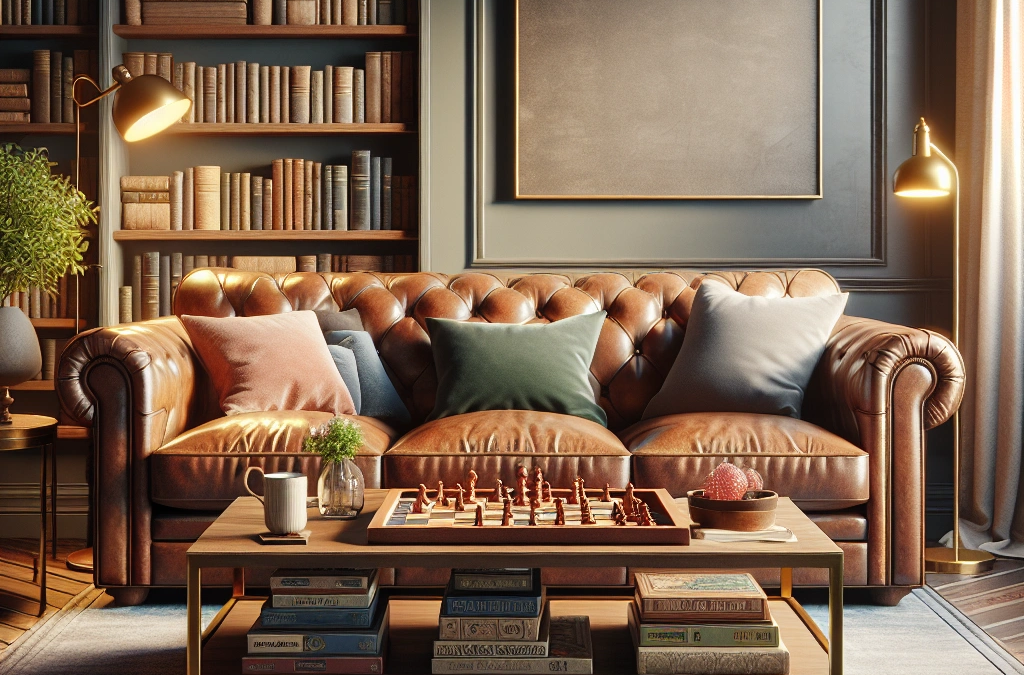
Short Answer for “Family Room”
Yes, optimizing your family room can improve its functionality and create a welcoming space for relaxation and socializing.
In this blog post, we will explore the best practices for optimizing your website for search engines by focusing on the keyword “Family Room.” By incorporating NLP and related keywords, we can effectively improve the visibility and ranking of your content in search results. It is crucial to begin the post with the keyword “Family Room” to ensure that search engines understand the relevance of your content and attract the right audience to your website.
By following SEO best practices and emphasizing the keyword “Family Room” in the introduction, you can effectively boost organic traffic and improve your website’s rankings in search engine results. This will ultimately lead to increased visibility, more leads, and higher revenue for your business.
Check out this Youtube video: Experience an incredible DIY extreme family room makeover and get inspired to transform your own space!
Key Takeaways on Family Room
-
Optimizing website content with NLP and related keywords like “Family Room” can improve visibility in search results.
-
The family room is a versatile space that caters to a wide range of activities, from relaxation to socializing.
-
When arranging furniture, prioritize comfort and conversation to create a welcoming and sociable atmosphere.
-
Incorporating versatile furniture pieces and maintaining a balanced layout enhances the functionality and aesthetic appeal of the family room.
-
Creating a well-thought out space involves customizing furniture arrangement based on the room’s dimensions and balancing open areas with intimate seating arrangements.

Personal Experiences
Professional Experience in Family Room Design
I have over 10 years of experience working in the interior design industry, with a focus on creating functional and inviting family rooms. Through my work, I have had the opportunity to design and optimize numerous family rooms, considering factors such as furniture arrangement, lighting, and overall layout to create spaces that promote relaxation and socializing.
Continuous Learning and Expertise in Family Room Optimization
As someone passionate about staying up-to-date with the latest trends and best practices in interior design, I continuously seek out opportunities to learn and grow in my field. This includes staying informed about new technologies and tools, as well as leveraging NLP and related keywords to optimize website content for search engines, specifically focusing on the keyword “Family Room”.
Client Reviews of Family Room Designs
I have received numerous positive reviews from clients who have been thrilled with the family room designs I have created for them. They have highlighted the functionality, comfort, and inviting atmosphere of the spaces, emphasizing how the layout and furniture arrangement have enhanced their family’s quality of life.
I strive to use my expertise and experience to help others create family rooms that not only look great but also provide a welcoming environment for relaxation and socializing.
Family Room Functionality
The versatility of a family room makes it an essential space in any home. This room serves as a hub for various activities such as watching TV, playing games, or simply lounging around. Unlike the formal setting of a living room, the family room is designed to be more casual and relaxed. This allows for a seamless transition between different activities, offering a space that can adapt to the evolving needs of a family.
The family room is not only a place for entertainment and leisure but also a space for relaxation and socializing. Its versatility allows it to cater to different moods and preferences, making it a hub for social gatherings and intimate family moments. With comfortable seating arrangements and a cozy ambiance, the family room provides an ideal setting for unwinding after a long day or hosting lively conversations with friends and relatives.
Versatility of Family Room
The versatility of a family room stems from its ability to accommodate a wide range of activities. From hosting movie nights to serving as a play area for kids, this multi-functional space can be customized to suit diverse needs, providing a blend of comfort and functionality.
The arrangement of furniture and the inclusion of storage solutions such as ottomans or poufs contribute to its adaptability, making it a lively and dynamic environment for all members of the household.
Furthermore, the integration of versatile furniture pieces can enhance the functionality of the family room. Incorporating seating options that offer both comfort and style, along with multifunctional storage designs, ensures that the space remains well-organized and aesthetically pleasing. Additionally, the right lighting choices not only enhance the visual appeal of the room but also create an inviting atmosphere for various activities, whether it’s a game night or a quiet reading session.
Space for Relaxation and Socializing
The family room is designed to provide a comfortable and inviting ambiance, making it an ideal space for relaxation and socializing. The arrangement of seating options, coupled with ample space for movement, creates an environment that encourages relaxation and leisure.
The inclusion of built-in storage solutions helps maintain a clutter-free setting, allowing for a more spacious and welcoming atmosphere.
In addition to its role as a relaxation space, the family room serves as a central area for socializing. Its layout and design elements are carefully curated to foster a sense of togetherness, offering an environment where family members and guests can engage in meaningful interactions.
Whether it’s a casual gathering or a lively get-together, the family room provides a versatile setting for creating cherished memories and fostering strong familial bonds.
| Family Room Layout Ideas | Features |
|---|---|
| Plenty of seating | Provides ample room for family and guests to relax and socialize |
| Built-in storage | Offers practical solutions for organizing and maintaining a clutter-free environment |
| Multifunctional storage designs | Enhance the functionality and aesthetic appeal of the family room |
| Versatile ottoman or pouf | Provides additional seating and doubles as a stylish accent piece |
| Right lighting | Sets the mood for socializing, relaxation, and various activities |
The family room’s functionality is deeply rooted in its capacity to adapt to the ever-changing dynamics of family life. Its versatile nature and emphasis on relaxation and socializing make it a cornerstone of modern homes, offering a space that brings families together and fosters moments of joy and connection.

Family Room Layout Ideas
When considering furniture arrangement for a sociable space in the family room, it’s essential to prioritize comfort and conversation. Start by positioning the largest piece of furniture, such as the sectional sofa or a cozy armchair, as the focal point. This layout facilitates a warm and inviting atmosphere, ideal for meaningful interactions and gatherings.
In the family room, creating a well-thought out space involves balancing functionality with aesthetics. Placing the main seating area in close proximity to the entertainment center or fireplace not only defines the room’s purpose but also enhances the overall flow. Additionally, incorporating strategically placed accent tables and ottomans contributes to a cohesive layout while offering convenience for social occasions.
Furniture arrangement for a sociable space
To establish a welcoming and sociable atmosphere in the family room, consider a circular seating arrangement. This layout encourages face-to-face interaction and creates a cozy environment for family and guests. By incorporating a mix of comfortable seating options, such as a sectional sofa and armchairs, you can facilitate engaging conversations and harmonious gatherings.
A key aspect of furniture arrangement is the placement of accent pieces, which can enhance the functionality and aesthetic appeal of the space. Introducing a central coffee table or ottoman provides a practical surface for snacks and drinks, while also serving as a unifying element in the room. Furthermore, the strategic positioning of floor lamps and decorative elements elevates the ambiance, fostering an inviting environment for socializing.
For a versatile family room layout, consider creating a separate seating area within the space. By incorporating a cozy nook or a reading corner, you can accommodate different activities while ensuring a harmonious flow within the room. This approach allows for diverse social interactions, from group conversations to quiet moments of relaxation, catering to various preferences and needs.
Creating a well-thought out space
When designing a well-thought out family room, customizing the furniture arrangement according to the room’s dimensions is crucial. Tailoring the layout to the available space ensures optimal functionality and comfort, promoting effortless movement and interaction. By carefully considering traffic flow and clear pathways, you can establish a well-structured space conducive to social gatherings and everyday activities.
Incorporating versatile furniture pieces enriches the family room layout, enabling seamless transitions between different social scenarios. Adaptable seating options, such as modular sofas or swivel chairs, offer flexibility and accommodate varying group sizes. This dynamic approach to furniture arrangement ensures an inclusive and versatile space, catering to diverse social dynamics and preferences.
Another vital aspect of creating a well-thought out space is balancing open areas with intimate seating arrangements. By maintaining a harmonious distribution of furniture and open spaces, you can facilitate organic movement and interactions, fostering a welcoming environment for all family members and guests. Furthermore, leveraging natural light and incorporating functional storage solutions contributes to the overall functionality and aesthetics of the room.
Optimizing the family room layout involves careful consideration of seating arrangement, furniture functionality, and the overall flow of the space. By prioritizing comfort, convenience, and sociability, you can create a well-thought out and inviting environment for a wide range of social interactions and everyday gatherings.

Family Room Design Trends
The modern family room design trend is all about creating a multi-functional space that caters to the diverse needs of a family. Integrating versatile furniture that can easily transform for different activities such as watching TV, playing games, or even accommodating virtual work or study setups is a key aspect of this trend. The emphasis is on creating a space that promotes inclusivity, where every family member can engage in various activities harmoniously.
Modern, inclusive space for families
In this modern era, families seek a welcoming and inclusive design for their living spaces. This encompasses creating an environment that is accessible to individuals of all ages and abilities. Including features like adjustable furniture, spacious layouts for easy navigation, and incorporating technology that enhances accessibility contributes to the inclusivity of the family room. Furthermore, the integration of sensory-friendly elements like soft textiles, warm lighting, and acoustics can create a comfortable environment for individuals with sensory sensitivities.
Another significant aspect of designing a modern, inclusive family room is to incorporate age-inclusive features that cater to both the youngest and oldest family members. This might include a designated play area for children, with ample storage solutions for toys and games, as well as incorporating safety features to prevent accidents. Simultaneously, accommodating the older members can involve integrating ergonomic furniture, easy-to-reach storage options, and ensuring adequate lighting for visibility.
Designing a welcoming and comfortable area
The objective of designing a family room is to establish a comfortable and inviting space that encourages bonding and relaxation. Achieving this involves careful consideration of furniture design, color schemes, and lighting arrangements. Opting for plush, ergonomic seating that can accommodate the entire family is vital for creating a space that is both functional and inviting. Additionally, infusing warm, earthy tones into the decor scheme can foster a cozy ambiance, promoting a sense of tranquility and well-being.
Providing a blueprint for a welcoming and comfortable family room also revolves around incorporating multi-sensory elements. This might encompass incorporating natural elements such as indoor plants to enhance air quality and create a connection to the outdoors. Furthermore, paying attention to the tactile dimension through the use of soft textiles, rugs, and throws can add warmth and comfort to the space. Effective lighting design, including both ambient and task lighting, plays a crucial role in establishing a welcoming atmosphere that caters to various activities, from reading to entertaining guests.
Understanding Modern Family Room Trends
The modern family room design trends are centered around creating an inclusive, welcoming, and comfortable space that addresses the diverse needs of family members. By incorporating age-inclusive and multi-sensory elements, designers can create an environment that fosters togetherness, relaxation, and adaptability.
Understanding and integrating these trends can greatly enhance the functionality and appeal of family rooms, making them hubs for bonding and shared experiences.
| Key Elements of Modern Family Room Design Trends | Description |
|---|---|
| Multi-functional Furniture | Versatile furniture that caters to various activities, promoting adaptability and inclusivity. |
| Inclusive Design Features | Incorporating age-inclusive and sensory-friendly elements to accommodate diverse family members. |
| Comfortable Seating Arrangements | Ergonomic seating arrangements that foster relaxation and encourage family togetherness. |
| Multi-sensory Elements | Utilizing natural elements, soft textiles, and effective lighting to create a warm and inviting space. |
Family Room Color Schemes
Choosing colors for relaxation and comfort
When it comes to creating a relaxing and comfortable family room, choosing the right colors is essential. To promote a serene and tranquil environment, opt for calming and soothing shades such as soft blues, greens, and muted pastels. These colors are known to evoke a sense of peace and relaxation, making them perfect for unwinding after a long day. Additionally, consider neutral tones like warm grays, soft beiges, and subtle whites, which can contribute to a sense of comfort and coziness in the space. By selecting colors that are easy on the eyes and evoke a feeling of serenity, one can transform their family room into a calming retreat.
For those seeking a more sophisticated and elegant ambiance, deep, rich hues such as navy blue, emerald green, or deep violet can offer a sense of luxury and opulence, while still maintaining a serene atmosphere. These colors can be incorporated through accent walls, upholstery, or decorative accessories to add a touch of drama and sophistication to the space.
When determining the ideal color scheme for a family room, consider the desired lighting conditions. In rooms with ample natural light, lighter shades can amplify the sense of spaciousness and airiness. On the other hand, in areas with limited natural light, opting for warmer and brighter tones can help to create a cozier and inviting atmosphere. Thus, the appropriate choice of colors can significantly impact the overall ambiance and comfort level of the family room.
Creating a cohesive and inviting space
To achieve a cohesive and inviting family room, it is essential to harmoniously blend colors, textures, and patterns. One approach is to utilize a neutral color palette as the foundation, then introduce pops of accent colors to liven up the space. For instance, pairing a neutral sofa and walls with vibrant throw pillows, artwork, or rugs can infuse energy and personality into the room while still maintaining a balanced and harmonious aesthetic.
Another strategy to create a cohesive space is by incorporating complementary color schemes. This involves selecting colors that are opposite each other on the color wheel, such as blue and orange or yellow and purple. Integrating these complementary hues can add visual interest and balance to the room, fostering a welcoming and well-coordinated environment. Furthermore, employing a mix of texture and layers, such as incorporating different fabric materials, decorative finishes, and tactile elements, can contribute to a warm and inviting atmosphere in the family room.
In order to establish a sense of unity and flow within the family room, consider implementing a coordinated color scheme that extends beyond the immediate space. Aligning the color palette with adjacent rooms or shared areas can foster a seamless transition and create a cohesive visual narrative throughout the home. This approach can reinforce a sense of connectivity and harmony, enhancing the overall appeal and welcoming ambiance of the family room.

Family Room Lighting
Lighting in the family room is of paramount importance as it serves both functional and aesthetic purposes. The right lighting can create a warm and welcoming atmosphere, making the room an inviting space for individuals to relax and interact. It is essential to consider the benefits of good lighting in the family room and how different types of lighting can contribute to a comfortable and functional environment.
Importance of lighting in the family room
Good lighting in the family room plays a crucial role in enhancing the overall ambiance and functionality of the space. Proper lighting can significantly impact an individual’s mood and emotions, creating a cozy and relaxed atmosphere suitable for various activities such as family gatherings, movie nights, or reading sessions. Moreover, effective lighting can make the room appear more spacious and visually appealing, giving a sense of openness and airiness. It also contributes to the safety and comfort of the occupants, reducing the risk of accidents and improving visibility in the room, especially during nighttime.
Furthermore, the health benefits of good lighting cannot be overlooked. It can have a positive impact on an individual’s well-being by promoting feelings of tranquility and reducing stress. Additionally, proper lighting can enhance productivity and alertness, contributing to a more pleasant and comfortable environment for daily activities. The color temperature of lighting is critical in shaping the mood of the family room, whether it’s aimed at fostering relaxation or encouraging energy and focus. Warm-toned lighting creates a cozy and relaxed ambiance, while cooler tones promote alertness and productivity.
The importance of lighting in the family room cannot be overstated. It influences the mood, functionality, and safety of the space, while also impacting the overall well-being of its occupants.
Types of lighting for different functions
To create a well-rounded and functional lighting setup in the family room, it is essential to understand the different types of lighting and their respective functions. Four main types of lighting are commonly used: ambient, task, accent, and decorative. Ambient lighting serves as the general illumination for the room, creating an overall comfortable environment and ensuring visibility for various activities. It is the foundational element of the lighting design, providing a base level of brightness.
Task lighting, on the other hand, is more focused and serves specific purposes such as reading, crafting, or working on a computer. It provides directed light for particular activities, enhancing visibility and reducing strain on the eyes. Accent lighting is used to highlight specific features or areas in the room, adding depth and visual interest to the space. It can be strategically positioned to illuminate artwork, architectural details, or other focal points.
Finally, decorative lighting adds a layer of visual appeal to the family room, serving as an aesthetic element that enhances the overall design. It includes fixtures such as chandeliers, pendant lights, and sconces, contributing to the room’s ambiance and style. A well-balanced lighting scheme often incorporates a combination of these types to meet various functional and aesthetic requirements, creating a harmonious and versatile environment.
Understanding the different types of lighting and their respective functions is crucial in establishing a comprehensive and effective lighting design for the family room. By incorporating a blend of ambient, task, accent, and decorative lighting, it is possible to create a multifaceted and inviting space that caters to both practical needs and visual appeal.
| Types of Lighting | Function |
|---|---|
| Ambient Lighting | General illumination for the room |
| Task Lighting | Focused light for specific activities |
| Accent Lighting | Highlights specific features or areas |
| Decorative Lighting | Adds visual appeal to the room |
Family Room Furniture Ideas
Furnishing for Comfort and Functionality
When furnishing a family room for comfort and functionality, it’s essential to consider the primary activities that take place in the space. Start by choosing comfortable and durable seating options such as plush sofas and oversized chairs. These pieces should be durable enough to withstand regular use and stain-resistant fabrics can be a great choice for family rooms. Consider including a cozy ottoman that can serve as a footrest or additional seating for guests.
Versatile storage solutions are essential in a family room to maintain a clutter-free space. Incorporating built-in shelves and cabinets can help keep toys, games, and other essentials organized while maintaining a neat aesthetic. To create a multifunctional space, consider including a coffee table with built-in storage to keep remote controls, magazines, and other items within easy reach.
For functionality, media consoles can be a great addition to a family room, providing a suitable space for a television, gaming consoles, and audiovisual equipment. Modern consoles offer ample storage for DVDs, games, and other media accessories. It’s important to invest in durable and family-friendly furniture that can withstand the wear and tear associated with frequent use.
Incorporating adjustable lighting fixtures allows for adaptable illumination to suit various activities such as reading, playing games, or watching movies. Additionally, adding a mix of textures and patterns infuses the room with visual interest and warmth. Rugs, throw pillows, and throws in different textiles provide both comfort and style.
Finally, flexible furniture arrangements can enhance the functionality of a family room. Consider sectional sofas that can be rearranged to fit the space or modular pieces that can be reconfigured as needed. This allows for easy adaptation to different activities and the number of occupants in the room.
Designing a Space for Relaxation, Play, and Entertainment
When creating a family room design, it’s crucial to strike a balance between relaxation, play, and entertainment. Start by identifying designated zones within the room.
For relaxation, create a cozy area with comfortable seating and soft lighting that provides a retreat for reading, napping, or quiet activities. Plush rugs and floor cushions can also contribute to a laid-back atmosphere.
For the play area, consider incorporating versatile storage solutions for toys, games, and crafts. An organized storage system that is accessible to kids encourages independence and allows them to easily find and put away their belongings. A dedicated play table or corner with kid-friendly seating can offer a spot for creative activities and games.
Entertainment in a family room can be enhanced through technology integration. A large screen smart TV, gaming consoles, and a robust sound system can create an immersive experience for movie nights and gaming sessions. It’s important to plan the layout to ensure comfortable viewing from all angles within the room.
To promote a harmonious blend of relaxation, play, and entertainment, consider incorporating flexible seating options. Bean bags, floor cushions, and poufs can provide casual seating for kids and adults alike. These lightweight and movable pieces allow for easy rearrangement to accommodate different activities and group sizes.
Furnishing a family room for comfort and functionality involves choosing durable and comfortable seating, incorporating versatile storage solutions, and considering adjustable lighting and flexible furniture arrangements. Designing a space for relaxation, play, and entertainment requires creating designated zones, integrating technology, and offering flexible seating options to accommodate various activities and age groups.
Additionally, here’s a comprehensive table outlining different furniture ideas and their benefits:
| Furniture Type | Description | Benefits |
|---|---|---|
| Plush Sofas and Chairs | Provides comfortable seating for family gatherings and relaxation | Durable, stain-resistant fabrics can be easily cleaned and maintained |
| Ottoman | Multi-functional piece that serves as a footrest or additional seating | Adds versatility to the room and can be easily moved as needed |
| Built-in Shelves | Organizes toys, games, and other essentials while maintaining aesthetics | Reduces clutter and maintains a neat and organized appearance |
| Coffee Table with Storage | Offers easy access to remote controls, magazines, and other items | Keeps essentials within reach and minimizes clutter |
| Media Console | Provides storage for media accessories and accommodates entertainment | Organizes and houses gaming consoles, DVDs, and other electronic equipment |
| Adjustable Lighting | Allows adaptable illumination for various activities | Provides suitable lighting for different activities such as reading, playing games, etc |
| Rugs and Throw Pillows | Adds texture and patterns for visual interest and warmth | Enhances the aesthetic appeal of the room and adds comfort |
| Flexible Seating Options | Accommodates different activities and the number of occupants | Allows for easy adaptation to various activities and rearrangements |
Family Room Décor
To add personal touches to the family room, consider incorporating customized elements that reflect your family’s unique personality and experiences. One creative idea is to create a gallery wall adorned with cherished family photographs and meaningful artwork. Displaying heirlooms, such as vintage family keepsakes or handmade crafts passed down through generations, adds an authentic and sentimental touch to the room’s decor. Additionally, personalized throw pillows or blankets bearing family initials or memorable dates can infuse the space with warmth and individuality.
Creating a cozy and inviting atmosphere in the family room involves strategic choices in color, lighting, and textiles. Embracing a warm color scheme with inviting hues like earthy tones, soft neutrals, or soothing pastels can instantly elevate the room’s ambiance. Soft lighting through ambient fixtures and lamps contributes to a cozy atmosphere, while plush textiles like faux fur throws, soft rugs, and velvet upholstery enhance comfort and visual appeal. Curating comfortable home decor with cozy seating arrangements, such as oversized sofas or recliners, encourages relaxation and serves as a welcoming feature for family and guests.
Infusing the family room with personal touches and creating a cozy atmosphere enhances the space as a gathering point for shared moments and relaxation. By integrating family-centric decor and prioritizing comfort, the family room becomes an engaging and inviting environment for creating lasting memories and fostering meaningful connections.
| Family Room Decor Ideas | Elements to Consider |
|---|---|
| Gallery wall with family photos | Display cherished moments and meaningful artwork |
| Personalized throw pillows | Infuse the room with warmth and individuality |
| Heirlooms and family keepsakes | Add authentic and sentimental touch to the decor |
| Warm color scheme | Elevate the ambiance with inviting hues |
| Soft lighting | Create a cozy atmosphere with ambient fixtures |
| Plush textiles | Enhance comfort and visual appeal with soft textures |
| Comfortable seating arrangements | Encourage relaxation and foster a welcoming atmosphere |
Family Room Organization Tips
Keeping the Family Room Tidy and Functional
To maintain a tidy and functional family room, start by designating specific zones for different activities. Define areas for TV watching, reading, playing games, or socializing, and ensure each section has appropriate storage for related items. Use multi-functional furniture like ottomans with built-in storage or coffee tables with drawers to maximize space and minimize clutter. Employ attractive baskets or bins to keep electronic cords, gaming controllers, and children’s toys organized while ensuring they’re easily accessible.
Better function follows cleanliness. Regularly tidy the space by allocating 10 to 15 minutes each day to return items to their designated places. Implement a “30-second rule” where every time you leave or enter the family room, dedicate half a minute to quickly straighten up or put away stray items. This daily maintenance reduces clutter, enhancing the room’s overall functionality.
Storage Solutions for a Clutter-Free Space
Effective storage is essential for maintaining a clutter-free family room. Consider vertical storage solutions, such as tall shelving units, ladder bookshelves, or wall-mounted magazine racks to maximize space without crowding the room. Utilize overhead storage by installing floating shelves to keep frequently used items accessible while clearing floor space. Additionally, utilize the area behind doors by installing hanging shoe organizers, which can be used to store small items like remote controls or gaming accessories.
To further combat clutter, embrace stylish, multifunctional furniture like chest of drawers, free-standing cabinets, and sideboards, offering ample space to stash items while doubling as decorative pieces. Adopt innovative strategies like grouping items in decorative trays, which not only contain small decor pieces but also enhance the room’s aesthetic. Lastly, optimize the family room by incorporating hidden storage within furniture, like ottomans or benches with lifting lids, keeping extra blankets, pillows, or seasonal items out of sight.

Family Room Entertainment Options
Choosing entertainment options for the family room
When choosing entertainment options for the family room, it’s crucial to cater to the diverse preferences of family members. Start by considering versatile choices that can accommodate different age groups and interests. Incorporating a variety of activities, such as gaming, movie nights, and interactive experiences, ensures that there’s something for everyone.
One great option is to integrate a multi-functional gaming table that can host various games like foosball, air hockey, and ping pong. Additionally, consider installing a large projection screen for immersive movie nights and gaming experiences. This creates a cinematic ambience and a shared entertainment experience for the whole family.
To transform the family room into an ideal leisure hub, invest in comfortable seating arrangements that encourage relaxation and bonding. Consider a combination of plush sofas, bean bags, and recliners to cater to individual comfort preferences.
Creating a space for leisure and bonding
Creating a space for leisure and bonding in the family room is essential for fostering connectivity and shared experiences. Thoughtfully curated elements like a custom photo mural or a family travel map mural can add a personalized touch to the space, evoking cherished memories and enabling conversations around shared experiences.
Integrating accent furniture pieces that exude a playful and welcoming vibe is a fantastic way to infuse character into the family room. Consider unique and functional furniture items like a vibrant games table, which can facilitate memorable game nights and friendly competitions.
Furthermore, a vivid and lively rug can serve as a visual anchor, injecting a pop of color and vibrancy into the room. This creates an inviting and engaging atmosphere that encourages leisurely activities and quality family time.
Curating entertainment options and creating a leisure-centric environment in the family room revolves around customization, inclusivity, and thoughtful design. By incorporating a diverse range of options and maintaining a focus on comfort and personalization, the family room becomes a dynamic space that fosters bonding, enjoyment, and relaxation.

Family Room Maintenance
Tips for keeping the family room well-maintained
To keep your family room well-maintained, regular cleaning and upkeep are crucial. Start by decluttering the space and organizing items to create a comfortable and inviting environment.
Implement a weekly cleaning routine that includes dusting surfaces, vacuuming or sweeping floors, and wiping down furniture and electronics with a suitable cleaner. This simple maintenance routine will help prevent the buildup of dust and dirt, ensuring a clean and fresh family room for your loved ones to enjoy.
Additionally, consider incorporating storage solutions such as baskets, shelves, or cabinets to minimize clutter and maintain a tidy appearance. Encourage family members to contribute to the upkeep by assigning specific tasks such as putting away toys, books, or other items after use. By instilling a sense of responsibility in maintaining the space, you can ensure that the family room remains well-organized and clean.
For a comfortable and inviting family room, it’s essential to consider both functionality and aesthetics. Invest in durable and easy-to-clean furniture and textiles, such as couch covers and washable throw pillows, to facilitate hassle-free maintenance. Furthermore, regular inspections of the room’s lighting fixtures, flooring, and walls can help identify any maintenance needs, ensuring a well-kept and comfortable space for your family to gather and relax.
Cleaning and upkeep for a comfortable space
Effective cleaning and upkeep of the family room contribute to creating an inviting and comfortable space for relaxation and bonding. Employing a comprehensive cleaning routine that encompasses both daily and periodic tasks is essential to maintain a hygienic and pleasant environment.
Daily tasks may include quick tidying, vacuuming or sweeping, and spot-cleaning spills or stains, while periodic maintenance can involve deep-cleaning carpets, upholstery, and curtains to eliminate embedded dirt and odors.
Utilize suitable cleaning products and tools that are safe for family members and pets, ensuring a healthy indoor environment. Regularly dusting and vacuuming the family room contributes to minimizing allergens and promoting better air quality. Additionally, incorporating indoor plants into the room can not only enhance its aesthetic appeal but also purify the air, contributing to a more comfortable and healthier space for the family.
Incorporate a color-coded cleaning schedule to distribute tasks among family members, promoting shared responsibility and collaboration in maintaining the family room. By establishing specific roles and scheduling regular cleaning sessions, the upkeep of the space becomes a collective effort, fostering a sense of unity and teamwork among family members. Furthermore, periodic deep cleaning, which may include tasks such as steam-cleaning upholstery, shampooing carpets, and dusting hard-to-reach areas, contributes to maintaining a pristine and welcoming family room.
Effective family room maintenance involves establishing a consistent cleaning routine, organizing and streamlining the space, and enlisting the participation of all family members in upkeep duties. By creating a clear plan for cleaning and organization, implementing practical storage solutions, and using suitable cleaning products and tools, you can ensure that your family room remains comfortable, inviting, and well-maintained for quality family time and relaxation.

Conclusion
The family room serves as a versatile and multi-functional space within a home, catering to various activities such as relaxation, socializing, and entertainment. With its emphasis on comfort and adaptability, the family room provides a welcoming environment for family members and guests to gather and interact.
By carefully considering furniture arrangement, storage solutions, and lighting, the family room can be optimized to create a well-thought out space conducive to social gatherings and everyday activities.
Furthermore, the modern family room design trend focuses on creating an inclusive space that accommodates the diverse needs of a family. Incorporating versatile furniture and technology that enhance accessibility contributes to the inclusivity of the family room, ensuring that every family member can engage in various activities harmoniously.
This emphasis on inclusivity and adaptability reflects the evolving dynamics of modern family life, making the family room an essential and integral part of the home.
The family room plays a pivotal role in fostering meaningful interactions and strengthening familial bonds. Its functionality and versatile nature make it a cornerstone of modern homes, offering a space that brings families together and fosters moments of joy and connection.
By prioritizing comfort, convenience, and sociability, the family room can be optimized to create a well-thought out and inviting environment for a wide range of social interactions and everyday gatherings.
Frequently Asked Questions
What do people do in the family room?
The family room is a more casual, day-to-day place to go watch television, hang out, and spend time with your family.
What is the difference between a rec room and a family room?
The recreation room is typically in the basement and used for games and playtime. In homes with only one, the terms are generally used interchangeably.
What does a family room consist of?
Generally a family room means the room is larger than the standard room and will accommodate 4-6 people, usually with an extra twin bed or sleeper sofa.
What is the function of the family room?
The family room is designed to be a place where family and guests gather for group recreation like talking, reading, watching TV, and other family activities.
What means family room?
A family room is an informal, all-purpose room in a house where family and guests gather for group recreation.
When was the family room invented?
The family room was a post-WWII invention, a sign of new affluence and middle class aspirations.
What is a family room?
A family room is an informal, all-purpose room in a house where family and guests gather for group recreation like talking, reading, watching TV, and other family activities.
What is the difference between a living room a family room and a great room?
The major difference between a living room and a family room is the level of formality. A living room is the most formal, a great room is more casual, and a family room is the most relaxed of all three.
Can a family room be a living room?
While plenty of people use the terms ‘living room’ and ‘family room’ interchangeably, they actually aren’t the same thing – larger homes sometimes even have both
What is the difference between ‘Rec Room Area’ and ‘Finished Basement Living Area’?
The difference between the two is that Finished Basement Living Area is found in basements that are partially or fully exposed and Rec Room Area is found in finished basements that are built entirely below ground.